Team Performance Optimization
The most effective organizations don't just hire talented people, they build the structures that allow talent to operate at its highest level. Category 3 Partners helps enterprises design dynamic team architectures that align people, roles, and accountability to what the organization actually needs to accomplish.
Core Principles
The Architecture of Effective Teams
Flexibility and Adaptability
Teams are most effective when they are formed around what the work actually requires. Dynamic team composition, where roles are assembled based on current organizational priorities, allows enterprises to respond to change without structural inertia.
People Beyond Silos
When individuals are empowered to contribute across functions based on their skills and the needs of the organization, collaboration deepens and innovation follows. Fluid structures replace departmental barriers with organizational agility.
Ownership and Empowerment
Clear, individually accountable roles produce higher engagement. When people understand exactly what they own and how their contribution connects to team success, motivation follows naturally.
Cross-Functional Collaboration
Breaking traditional departmental boundaries creates the conditions for holistic problem-solving. Teams that span functions produce more creative, durable solutions than those operating in isolation.
Transparency in Operating Norms
Effective teams operate by explicit agreements about how they work, including communication norms, decision rights, and escalation paths. Making these agreements visible transforms team culture from assumed to intentional.
Continuous Development
Team structures that allow individuals to grow into new roles across the organization build institutional capability over time, creating a more adaptive and resilient enterprise.
Strategic Alignment
Every team role should have a line-of-sight to organizational objectives. When structure aligns to strategy, execution becomes coherent rather than fragmented.
Proven in the Enterprise
Role-based team architectures are already well-established across the world's most innovative organizations. Leading enterprises have adopted dynamic team structures, cross-functional collaboration models, and transparent operating norms to drive agility at scale. Category 3 Partners brings the same structural discipline to organizations of every size, with practical frameworks that produce measurable results.





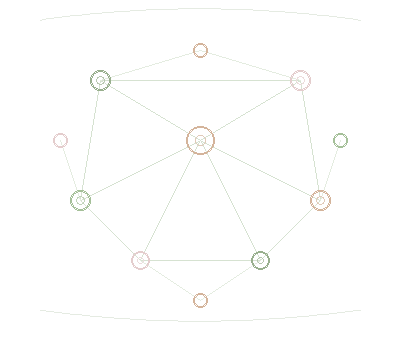

Team Foundation
The Team Charter Framework
Every effective team operates from three foundational documents that define how work gets done.
Operating Norms
Explicit agreements about how the team communicates, collaborates, and conducts its daily work.
Agreements
Shared commitments between team members about roles, responsibilities, and mutual expectations.
Decisions
Clear frameworks for how decisions are made, who has authority, and how outcomes are documented.